Ludlow Ogden Smith: The Untold Story of Katharine Hepburn’s First Husband and His Remarkable Life

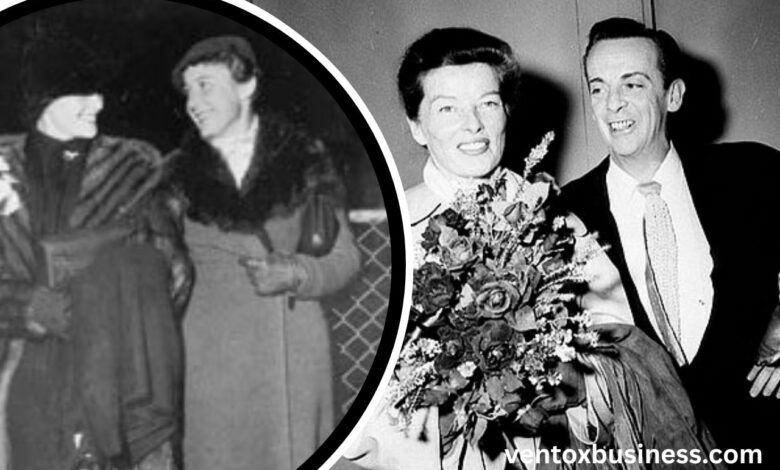
Ludlow Ogden Smith remains one of the most interesting yet lesser-known figures connected to Hollywood history. Although many people recognize his name because he was the first husband of legendary actress Katharine Hepburn, his own life was far more significant than simply being linked to a famous star. He was a successful American businessman, an entrepreneur with innovative ideas, and a respected member of Philadelphia society during the early twentieth century.
His story reflects the world of wealth, business ambition, and social expectations that shaped upper-class American life in that era. Born into privilege and opportunity, Ludlow Ogden Smith used his background to establish a respected professional life while navigating a marriage that would later become part of Hollywood legend. His relationship with Katharine Hepburn is still widely discussed because it represented a turning point before she became one of cinema’s greatest icons.
While Hepburn’s rise to fame placed her in the spotlight, Ludlow preferred privacy and business success over public attention. His life deserves attention not just because of who he married, but because of his own achievements, personal character, and lasting influence. His journey offers a fascinating glimpse into American history, family legacy, and the private world behind one of Hollywood’s most famous names.
Early Life and Family Background
Ludlow Ogden Smith was born on February 6, 1899, in Philadelphia, Pennsylvania, a city known for its old-money families, strong business traditions, and powerful social circles. He was born into a prominent and financially secure family, where reputation and responsibility were considered essential parts of life. His father, Lewis Lawrence Smith, belonged to a respected social and professional background, and young Ludlow grew up surrounded by privilege, education, and expectation.
Philadelphia during this time was a center of business growth and elite social life. Families like the Smiths were expected to preserve their status through discipline, proper conduct, and successful professional careers. Ludlow was raised in this environment, which naturally influenced his outlook on life. From an early age, he understood the importance of business leadership, family reputation, and social respectability.
Friends and relatives often called him “Luddy,” a nickname that reflected his approachable and warm personality. Despite the formal nature of his upbringing, he was known for being friendly, social, and charming. He balanced the seriousness of business life with a relaxed and personable nature, which helped him maintain strong relationships both personally and professionally.
Education and the Values That Shaped Him
Growing up in a prominent family meant that education played a major role in Ludlow’s development. Although not every detail of his academic journey is widely documented, it is clear that he received the kind of education expected of upper-class young men of his generation. He was taught discipline, leadership, and the practical skills necessary to continue a respected family legacy.
The values of hard work and personal responsibility were central to his upbringing. Unlike some individuals who simply lived off inherited wealth, Ludlow showed ambition and a desire to create his own professional identity. He was not interested in living as a passive socialite. Instead, he built a reputation as someone who understood business strategy and long-term success.
These early influences shaped how he approached both career and relationships. He valued stability, structure, and reliability. These qualities later played a major role in his marriage to Katharine Hepburn, whose personality and ambitions often moved in the opposite direction. Their differences would eventually define the fate of their relationship.
Business Career and Professional Reputation
Ludlow Ogden Smith built a respected career as a businessman and entrepreneur. He became president of Ogden Ludlow Inc., a company associated with his family’s business interests and professional legacy. In business circles, he was known as a capable leader who understood management, finance, and the responsibilities that came with maintaining a successful enterprise.
His professional life was not built only on inheritance. He actively contributed to his own success by developing ideas and maintaining strong leadership within the business world. During a time when American industry and private enterprise were rapidly expanding, businessmen like Ludlow played an important role in shaping economic growth and professional culture.
He was especially recognized for developing what became known as the “Ludlow Formula,” a concept linked to health, fitness, and weight management. Long before wellness culture became a modern trend, Ludlow explored structured ideas related to personal physical maintenance and healthy living. This innovation made him more than just a businessman—it positioned him as an early thinker in lifestyle improvement and personal discipline.
The Famous “Ludlow Formula”
One of the lesser-known but fascinating aspects of Ludlow Ogden Smith’s life was his connection to the “Ludlow Formula.” This concept has often been described as an early approach to fitness and weight control, designed around discipline, consistency, and maintaining physical well-being. In a period when health science was still developing publicly, this idea showed his interest in practical innovation.
The formula reflected the values of his generation: self-control, personal improvement, and physical discipline. It was not marketed in the flashy way modern fitness programs are today, but it attracted attention because it aligned with the growing awareness of health and lifestyle management. For someone living in elite social circles, physical appearance and personal presentation were often connected to professional respectability.
Although history remembers him more for his marriage to Hepburn, the Ludlow Formula demonstrates that he had his own creative and entrepreneurial mind. It showed he was willing to think beyond traditional business operations and contribute something distinctive. This part of his legacy often gets overshadowed, but it remains an important example of his independent achievements.
Meeting Katharine Hepburn
Ludlow Ogden Smith met Katharine Hepburn before she became the legendary Hollywood actress the world would later admire. At the time, she was still a young woman with strong opinions, fierce independence, and dreams much bigger than ordinary domestic life. Even in her early years, she carried the confidence and individuality that would later define her career.
Ludlow was older, more established, and financially secure. He represented stability and traditional success, while Hepburn represented ambition and change. Their personalities were different, but that contrast may have been part of their attraction. He admired her intelligence and energy, while she appreciated his kindness, maturity, and support.
Their relationship developed in an era when marriage was often viewed as an expected next step for young women from respectable families. However, Hepburn was never truly conventional, and Ludlow may have sensed that from the beginning. Even so, he believed in her talent and reportedly encouraged her artistic ambitions, which later became one of the defining stories of her life.
Marriage to Katharine Hepburn
Ludlow Ogden Smith and Katharine Hepburn married on December 12, 1928. She was only twenty-one years old, while he was twenty-nine. Their wedding marked an important chapter in Hepburn’s early life, long before she became one of the greatest stars in Hollywood history. It represented a traditional step at a time when society strongly valued marriage and domestic stability.
For a short time, it seemed they might create a successful life together. Ludlow was supportive, dependable, and genuinely cared for her. He provided emotional encouragement and a secure environment. Hepburn later spoke respectfully about him, acknowledging that he had been kind and understanding during an important stage of her life.
However, the marriage soon revealed deeper differences. Hepburn was not comfortable living the life expected of a conventional wife. She wanted independence, freedom, and the opportunity to pursue acting seriously. Ludlow valued stability and structure, and while he supported her, the emotional gap between their life goals became increasingly difficult to ignore.
Why Their Marriage Ended
The biggest reason their marriage ended was that Katharine Hepburn wanted a life larger than traditional domestic expectations. She was driven by ambition and a powerful desire to define herself through work, not marriage. Hollywood opportunities were opening, and she was determined to pursue acting without compromise.
Ludlow represented a more stable and traditional path. He wanted the kind of structured married life that was normal for the time, while Hepburn was moving toward something far less conventional. She later admitted that she was never naturally suited to being a typical wife, and this truth shaped the end of their relationship.
Their divorce became final in 1934. Importantly, it was not remembered as a bitter or scandalous separation. Instead, it was the result of two people whose lives were moving in different directions. Hepburn entered Hollywood history, while Ludlow returned to private business life. Their marriage ended, but the respect between them remained.
Life After Divorce
After separating from Katharine Hepburn, Ludlow Ogden Smith stepped away from the public curiosity surrounding their marriage. Unlike many people connected to celebrity relationships, he did not seek publicity or attempt to profit from his connection to a rising star. He returned to business and private life with quiet dignity.
He focused on his professional responsibilities and personal independence rather than public storytelling. This decision made him something of a mystery in later biographies because much of what people know about him comes from Hepburn’s life story rather than his own public interviews. His silence created an image of privacy and self-respect.
This period of his life shows his character clearly. He was not interested in fame for fame’s sake. He had his own identity, his own work, and his own sense of pride. In many ways, his choice to remain private made him more respected than if he had tried to remain connected to celebrity attention.
Personality and Public Perception
People who knew Ludlow often described him as intelligent, polished, and dependable. He carried himself with the confidence of someone raised in a respected family but without arrogance. His social skills made him well-liked, and his professional discipline made him trustworthy in business environments.
His nickname “Luddy” reflected a softer side that balanced his formal image. He was approachable and socially comfortable, someone who could move easily between business leadership and personal friendships. This ability helped him maintain respect in both private and professional settings.
Even in biographies of Hepburn, he is rarely described negatively. Instead, he is remembered as a decent man who simply married someone whose destiny was very different from his own. That respectful historical memory says a great deal about the kind of person he was. He was not remembered for scandal, but for quiet reliability and genuine support.
Death and Lasting Legacy
Ludlow Ogden Smith passed away on July 13, 1979, in New Canaan, Connecticut, at the age of eighty. By that time, Katharine Hepburn had become one of the greatest actresses in cinema history, and his name remained permanently linked to hers in biographies, interviews, and Hollywood history discussions.
His legacy exists in two different worlds. In one, he is remembered as a businessman, entrepreneur, and creator of the Ludlow Formula. In the other, he remains known as Hepburn’s first husband, a man who stood beside her before the world knew her name. Both stories matter because together they create a fuller picture of who he really was.
Today, people researching classic Hollywood, American business families, and Hepburn’s personal history continue to discover Ludlow Ogden Smith. His life reminds us that not every important figure stands in the spotlight. Some leave their mark through character, support, and quiet accomplishment rather than fame.
Read More: Matt Moline Biography, Career, Net Worth & Life Story
Final Thoughts on Ludlow Ogden Smith
Ludlow Ogden Smith was far more than a historical footnote in the life of Katharine Hepburn. He was a capable businessman, an innovator, and a man shaped by discipline, family values, and personal dignity. His achievements deserve recognition on their own, separate from celebrity history.
His marriage to Hepburn may be the reason many people first learn his name, but it should not be the only reason they remember him. He supported a future legend while building his own respected professional identity. That balance makes his story both personal and historically meaningful.
In the end, Ludlow Ogden Smith represents a fascinating mix of business success, emotional maturity, and lasting relevance. His life proves that history often remembers not only the stars, but also the strong and steady people who stood beside them during the earliest chapters of greatness.