Myrna Colley-Lee: The Costume Designer, Art Patron and Former Wife of Morgan Freeman

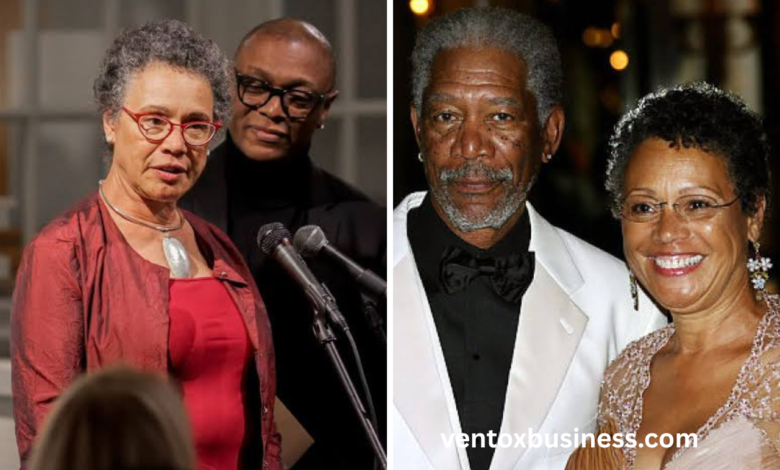
Myrna Colley-Lee is an American costume designer, visual artist, art collector and philanthropist whose creative career has lasted for several decades. Although many people first recognise her as the former wife of celebrated actor Morgan Freeman, her professional story is far more substantial than that connection suggests.
Through her work in theatre, Colley-Lee helped shape the visual appearance of numerous productions linked with African American history, Southern culture and the Black Theatre Movement. Her contribution extends beyond costumes. She has worked in set design, art direction, exhibition development and arts advocacy while also supporting writers, students and cultural institutions.
Her career reflects a deep interest in storytelling through fabric, colour, historical research and visual detail. From major regional theatres to university archives, Myrna Colley-Lee’s influence can be seen in the preservation and development of African American theatre and art.
Who Is Myrna Colley-Lee?
Myrna Colley-Lee is best known professionally as an experienced costume designer who has worked on dozens of theatre productions across the United States. She has also been described as a set designer, art director, visual artist, collector and supporter of literary and performing arts.
Her public recognition increased after she married Morgan Freeman in 1984. However, Colley-Lee had already established herself in creative circles before becoming connected with the Academy Award-winning actor.
Unlike many people associated with Hollywood celebrities, she built a serious independent career. Her work has focused mainly on regional theatre, African American stories and productions exploring history, identity, family, community and social change.
She is also closely connected with Mississippi’s cultural community. Her involvement with museums, arts organisations, universities and nonprofit initiatives has made her an important figure within the state’s creative sector.
Myrna Colley-Lee’s Early Life
Limited verified information is available about Myrna Colley-Lee’s childhood, parents and exact place of birth. She has generally kept personal details outside the public spotlight, particularly information about her early family life.
Some online biography websites publish claims about her age, birthday and upbringing. However, many of these details are not supported by recognised universities, theatre organisations, official archives or direct statements from Colley-Lee.
What is known is that she developed an interest in art and creativity at a relatively young age. She reportedly travelled internationally from the age of 17, an experience that may have influenced her understanding of clothing, culture, artistic traditions and visual expression.
Her exposure to different places and artistic environments appears to have supported the development of her distinctive design perspective. Throughout her career, she has shown an ability to combine historical accuracy with emotional storytelling.
The Beginning of Her Theatre Career
Myrna Colley-Lee entered New York’s theatre community during the important cultural period of the late 1960s. This was a time when Black writers, actors, directors and producers were creating more opportunities to tell African American stories on stage.
She worked with Hazel J. Bryant, a producer and leading supporter of Black theatre. Colley-Lee initially used her artistic abilities to create posters, promotional materials and theatre-related graphics.
Her responsibilities gradually expanded. She moved from visual publicity work into scenery and stage design before discovering that costume design offered the strongest combination of her artistic interests.
Costumes allowed her to work with colour, fabric, history, character development and narrative meaning. A costume was not simply an attractive item of clothing. It became a tool for explaining a character’s background, social position, emotions, time period and personal transformation.
This understanding helped Colley-Lee develop into a respected designer during an important era in African American theatre.
Contribution to the Black Theatre Movement
Colley-Lee is strongly associated with the Black Theatre Movement, which created greater space for African American stories, performers and creative professionals.
Her career developed during a period when Black theatre companies challenged traditional entertainment institutions. These companies produced work addressing racism, cultural identity, family experiences, political struggles and African American history.
As a costume designer, Colley-Lee helped these stories appear visually authentic. She researched clothing styles, fabrics, regional traditions and social customs to ensure that the costumes supported the world of each production.
Her designs also helped actors understand their characters. The way a garment fitted, moved or appeared under stage lighting could influence the performer’s posture, confidence and physical behaviour.
By contributing to more than 70 theatre productions, and possibly over 80 during her wider career, Colley-Lee became an important creative voice in regional American theatre. Her work helped establish costume design as a meaningful part of Black cultural storytelling.
Major Theatre Productions
Myrna Colley-Lee’s theatre credits include several respected and historically significant productions.
She designed costumes for The Ballad of Emmett Till, a dramatic production inspired by the murder of 14-year-old Emmett Till in Mississippi in 1955. The story examines racial violence, injustice and the human impact of one of the most important events of the American civil rights era.
Her work has also been connected with August Wilson’s The Piano Lesson. The play explores family history, racial identity, inheritance and the emotional value of a family piano linked to slavery.
Other productions associated with Colley-Lee include Gee’s Bend, which focuses on African American women from the Gee’s Bend community in Alabama. The area is internationally recognised for its quilt-making traditions, making clothing, fabric and textile history especially important to the production’s visual design.
She also worked on Wedding Band, Becoming Adele, Forest City, Ain’t Misbehavin’ and Relativity. These productions required different design approaches, ranging from historical realism to musical performance and character-centred drama.
Her work appeared at respected institutions such as Goodman Theatre, Steppenwolf Theatre Company, Cleveland Play House and The Repertory Theatre of St. Louis.
Her Costume Design Process
Costume design involves much more than choosing clothes for actors. Myrna Colley-Lee’s work demonstrates the research, planning and artistic judgement required behind the scenes.
A designer must begin by studying the script. The time period, geographical location, social environment and relationships between characters all influence the costume choices.
Historical research may include photographs, paintings, newspapers, museum collections, advertisements and surviving garments. The designer must understand what people wore and why they wore it.
Fabric selection is also important. Heavy, worn or faded materials may suggest poverty, labour or hardship, while expensive fabrics can communicate wealth, status or ambition.
Colour can reflect personality and emotional development. A character’s clothing may become brighter, darker, simpler or more elaborate as the story progresses.
Colley-Lee’s sketches and production records reveal how she developed costumes from early concepts to final garments. Her working documents show that each visual decision supported the larger meaning of the performance.
GladRags Designs
Myrna Colley-Lee founded GladRags Designs as a professional platform for her creative work.
The company has focused primarily on costume design and theatrical services. However, its work has also extended to customised design projects for private homes, businesses and individual wardrobe clients.
The name GladRags reflects Colley-Lee’s long connection with clothing, creativity and performance. Through the business, she has been able to manage projects while maintaining her distinctive artistic approach.
Her professional independence is an important part of her story. Although her marriage brought greater public attention, GladRags Designs represents the career she developed through talent, experience and long-term dedication.
Myrna Colley-Lee as an Art Collector
In addition to creating art and costumes, Colley-Lee has built an important collection of African American and African-diaspora art.
Her collection includes paintings, drawings, collages, works on paper, textiles and mixed-media pieces. Many of these works explore African American family life, Southern environments, cultural traditions, community experiences and historical memory.
Selections from her collection appeared in an exhibition titled Reflections: African American Life from the Myrna Colley-Lee Collection.
The exhibition presented artistic images of everyday life rather than focusing only on famous historical events. This approach allowed audiences to see African American identity through homes, relationships, workplaces, landscapes and personal experiences.
Colley-Lee has explained that emotional connection plays an important role in her collecting decisions. She has discovered works through travel, friendships with artists, galleries, museums and cultural events.
Her collection shows that art patronage is another form of cultural preservation. By purchasing and displaying the work of Black artists, she has helped support creative careers and introduce their work to wider audiences.
Exhibitions of Her Designs
Myrna Colley-Lee’s costume work has also been presented in museum and gallery exhibitions.
Her sketches, costumes, collages and finished designs have appeared at institutions such as the Mississippi Museum of Art, the McNay Art Museum and Mississippi State University.
One notable exhibition was A Theatre of Color: Costume Design for the Black Theatre. It was presented at the Charles H. Wright Museum of African American History in Detroit.
The exhibition highlighted the relationship between costume design and African American theatre. It showed audiences how clothing contributes to the interpretation of Black history, identity and dramatic storytelling.
By placing costume work inside museums, these exhibitions recognised theatre design as a serious visual art rather than a temporary part of a stage production.
Mississippi State University Costume Collection
Colley-Lee donated a significant collection of costumes, clothing, sketches, correspondence and production materials to Mississippi State University.
The collection allows students, designers, historians and researchers to study her professional methods. It also preserves materials that might otherwise have been lost after individual theatre productions ended.
Theatre students can examine how garments were constructed and adapted for performance. Researchers can study the relationship between Black theatre, costume history and regional American culture.
Her design notes and production records provide insight into the decisions made before the audience sees the final costume on stage.
A selection of her work has been displayed in the John Grisham Room at Mitchell Memorial Library. The university archive ensures that her contribution remains available to future generations.
Literary Arts and Philanthropic Work
Myrna Colley-Lee’s cultural involvement is not limited to theatre and visual art.
In 2006, she established SonEdna, a nonprofit organisation supporting literary arts and writers from different backgrounds. The organisation has helped encourage writing, reading, education and community participation.
Her support for literature reflects her wider belief in storytelling. Whether expressed through costumes, plays, paintings or written work, stories preserve history and allow communities to understand their experiences.
Colley-Lee has also served in leadership and advisory roles connected with the Mississippi Arts Commission, the Mississippi Museum of Art, the Ogden Museum of Southern Art and Mississippi State University.
Through these positions, she has helped guide cultural programmes, support artists and improve public access to creative work.
Awards and Recognition
Myrna Colley-Lee has received several honours recognising her costume design, cultural leadership and arts patronage.
In 2022, she received a Mississippi Governor’s Arts Award for Excellence in Costume Design and Arts Patron. The award acknowledged both her creative career and her long-standing support for other artists.
She has also received an honorary doctorate in creative arts from Mississippi State University.
Her other recognitions include an Outstanding Costume Design Award from the National Black Theatre Festival and the Wynona Lee Fletcher Award for Outstanding Achievement as a Designer.
She has also been recognised by the National Museum of Women in the Arts and received a lifetime achievement honour from the Mississippi Institute of Arts and Letters.
These awards demonstrate that her influence extends across theatre, museums, education and community arts.
Marriage to Morgan Freeman
Myrna Colley-Lee married Morgan Freeman on 16 June 1984. Freeman had already worked in theatre, television and film, although his greatest international fame developed during the following years.
The couple lived in Mississippi, where Freeman owned property near Charleston. Their relationship remained relatively private despite Freeman’s increasing success in Hollywood.
Colley-Lee and Freeman did not have biological children together. However, she became involved in his wider family life.
Their marriage lasted for more than two decades before they separated in December 2007. Divorce proceedings began in 2008 and were handled privately.
Their divorce was finalised on 15 September 2010 in Tallahatchie County, Mississippi.
The legal and financial terms remained sealed. Therefore, widely repeated claims about the exact size of Colley-Lee’s divorce settlement cannot be confirmed.
Does Myrna Colley-Lee Have Children?
Myrna Colley-Lee and Morgan Freeman did not have biological children together.
During the marriage, she was connected with Freeman’s children and extended family. Reports have also described her as playing a role in raising E’Dena Hines, Freeman’s step-granddaughter.
Because Colley-Lee has maintained a private life, detailed information about her family relationships is limited.
It is more accurate to say that she became part of Freeman’s blended family rather than making unsupported claims about adoption or legal guardianship.
Myrna Colley-Lee’s Net Worth
No reliable public financial record confirms Myrna Colley-Lee’s net worth.
Some entertainment and celebrity websites publish large estimates, often linking them to her divorce from Morgan Freeman. However, these websites rarely provide supporting documents.
Because the divorce settlement was sealed, the exact amount she received, if any, has not been publicly verified.
Her personal wealth may include earnings from costume design, business projects, property, art and other assets. Still, any exact net worth figure should be treated as speculation.
Life After Divorce
Following her divorce from Morgan Freeman, Myrna Colley-Lee continued to focus on art, design, philanthropy and cultural preservation.
She did not attempt to build a public identity around the end of the marriage. Instead, her later recognition has centred on her professional achievements.
Her exhibitions, university archive, nonprofit work and arts awards have helped audiences understand her independent contribution.
She has remained closely associated with Mississippi, where her work continues to influence regional cultural institutions and younger creative professionals.
Why Myrna Colley-Lee’s Story Matters
Myrna Colley-Lee’s life is an example of how a person can become publicly known through marriage while possessing an equally important independent career.
Her work helped support African American theatre at a time when Black stories and creative professionals faced limited opportunities within mainstream institutions.
Through costume design, she gave visual form to historical memory, family identity and social experience. Through collecting, she preserved the work of Black artists. Through philanthropy, she supported writers, museums, universities and cultural organisations.
Her legacy belongs not only to theatre but also to the wider history of African American art and Southern cultural life.
Conclusion
Myrna Colley-Lee is much more than Morgan Freeman’s former wife. She is an accomplished costume designer, visual artist, collector, businesswoman and cultural patron whose career has influenced American theatre for decades.
Her work on productions such as The Ballad of Emmett Till, The Piano Lesson, Gee’s Bend and Wedding Band demonstrates her ability to turn clothing into a powerful form of storytelling.
Her archives, exhibitions and art collection preserve important parts of African American creative history. Meanwhile, her nonprofit and institutional work show her commitment to supporting other artists and writers.
Although parts of her personal life remain private, her professional legacy is well documented. Myrna Colley-Lee has earned recognition as an influential figure in costume design, Black theatre and the cultural life of Mississippi.
You may also read : How Mac Davis Met Lise Gerard