Fiona Hawthorne is a celebrated Northern Irish-born artist, illustrator, and cultural documentarian, whose work has gained international recognition for its energy, vibrancy, and deep connection to human stories. Born in Northern Ireland and raised in Hong Kong, Hawthorne’s formative years exposed her to diverse cultures, urban landscapes, and a multiplicity of human experiences, which would later inform her distinctive artistic voice. Over the course of her career, she has embraced multiple mediums, from traditional sketching and painting to digital art, public installations, and live reportage. Her works not only capture the essence of cultural events and everyday life but also chronicle history as seen through the eyes of an artist deeply attuned to people, performance, and movement.
Her art is now featured in prominent collections, public exhibitions, books, and media projects, marking her as a versatile artist capable of bridging traditional and contemporary forms while maintaining a consistent, recognizable style. Hawthorne’s oeuvre spans portraiture, reportage art, cultural festivals, and large-scale public art projects, showcasing her dedication to representing life in motion and celebrating human interaction.
Early Life and Formative Influences
Fiona Hawthorne was born in Northern Ireland at a time when political and social complexities shaped her understanding of identity and culture. Her family relocated to Hong Kong during her early childhood, a move that introduced her to a cosmopolitan environment rich in color, diversity, and sensory experience. Growing up amidst the bustling streets, markets, and urban textures of Hong Kong, she developed a fascination with people, movement, and daily life—a fascination that would become central to her artistic practice.
From an early age, Hawthorne demonstrated an exceptional aptitude for visual expression, often capturing the essence of her surroundings in sketches and drawings. She pursued formal art education in the UK, studying at esteemed institutions such as the Chelsea School of Art, Belfast College of Art, and the Sir John Cass School of Art. During her studies, she honed her skills in drawing, illustration, and painting, learning to combine technical mastery with her natural instinct for observation.
Her early exposure to multiple cultural contexts—Northern Ireland’s rich historical and social narratives and Hong Kong’s vibrant urban life—instilled in her a lifelong interest in capturing both the ordinary and extraordinary aspects of human experience. These formative influences became the foundation for her reportage-style art and informed her ability to translate complex social and cultural dynamics into visually compelling works.
The Emergence of a Reportage Artist
Fiona Hawthorne’s professional artistic career began with reportage art, a form that emphasizes capturing life as it unfolds. Her early works focused on urban life, jazz musicians, and cultural events in London during the 1980s, reflecting her fascination with movement, rhythm, and human expression. Her sketches were featured in publications such as Thames & Hudson’s “Design After Dark,” highlighting her capacity to document the vibrancy of contemporary social life.
Hawthorne’s reportage art is characterized by expressive line work, dynamic composition, and an ability to distill complex scenes into compelling visual narratives. Her pieces often focus on people in their natural environments, portraying the energy, emotion, and interactions of everyday life. Whether illustrating a crowded market, a musical performance, or a street festival, she captures the spontaneity and vitality of her subjects, creating works that feel alive and immediate.
Her reputation as a keen observer of social and cultural life led to commissions for editorial work, including contributions to Tatler magazine. There, she documented high-profile social events, ranging from polo matches to garden parties, showcasing her ability to navigate both the public and private spheres of society with equal sensitivity and insight.
Major Commissions and Public Engagement
One of the defining features of Fiona Hawthorne’s career is her involvement in large-scale public art projects and cultural documentation. She has consistently sought to create works that engage communities, celebrate cultural heritage, and make art accessible to broad audiences.
Royal Philharmonic Orchestra Residency
Hawthorne’s early career included a prestigious residency with the Royal Philharmonic Orchestra, one of Britain’s leading musical institutions. During this period, she produced a series of works documenting the musicians, rehearsals, and performances of the orchestra. This residency allowed her to merge her interest in music and visual art, capturing the expressive nuances of performance in a series of intimate yet grand drawings. The works were later exhibited at London’s Royal Festival Hall, marking an important milestone in her public recognition.
Notting Hill Carnival Wall Installation
Among Hawthorne’s most ambitious projects is her commission for the Notting Hill Carnival, Europe’s largest street festival. For this project, she created a 100-meter-long wall installation that documented the Carnival’s energy, music, and cultural diversity. The piece captured the vibrancy of Caribbean culture in London, illustrating dancers, musicians, and festival-goers in motion. The installation was not only a visual record of the festival but also a celebration of community and cultural expression, seen by millions of visitors and featured in media coverage internationally.
Community Art Projects
Beyond high-profile commissions, Hawthorne has been deeply involved in community-focused art initiatives. She has led workshops in schools, collaborated with local organizations, and created public installations that bring art directly into neighborhoods. One such project transformed an overlooked urban ramp into a dynamic, colorful public space, incorporating local narratives, landmarks, and the participation of residents. These projects exemplify her belief in the transformative power of art and her commitment to engaging communities in creative dialogue.
Integration of Music and Art
Fiona Hawthorne’s artistic vision extends beyond the visual realm into music, particularly her involvement with steelpan performance. She is a skilled steelpan musician and has integrated this practice into her public art projects, performances, and installations.
Her work with the Urban Fox Orchestra (UFO) and large-scale projects such as One Thousand Pans highlights her innovative approach to combining visual art and music. The One Thousand Pans project, performed during the closing weekend of the London 2012 Olympic Games, involved over 1,000 steelpan instruments and performers, creating an immersive experience that merged sound, visual spectacle, and communal participation. These interdisciplinary projects reflect Hawthorne’s commitment to celebrating cultural expression in multiple forms.
Portraiture and Digital Art
Hawthorne’s portrait work exemplifies her skill in capturing personality, character, and essence. Her portraits range from public figures, such as former U.S. President Barack Obama, to musicians and community members, demonstrating her ability to combine likeness with emotional depth. Her Obama portrait is included in the Library of Congress, highlighting the significance and recognition of her work at a global level.
Over the years, Hawthorne has embraced digital art techniques, allowing her to expand her practice into live drawing, large-scale projections, and immersive installations. Her digital works retain the immediacy and expressiveness of her traditional sketches while engaging new audiences in interactive formats. By blending traditional line work with contemporary technology, she bridges historical art forms with modern innovation.
Publications and Literary Contributions
In addition to her visual art, Fiona Hawthorne has authored and illustrated several publications that explore both cultural history and artistic practice. Her books often merge personal narrative with visual storytelling, offering readers insight into her creative process and experiences.
Notable works include:
- Drawing on the Inside: Kowloon Walled City 1985, a reflective documentation of her time in Hong Kong, capturing the complexity and vibrancy of the Walled City through detailed sketches and narrative.
- The Extraordinary Amazing Unbelievable Walled City of Kowloon: A Children’s Book Also for Adults, which combines historical context, cultural exploration, and visual art in an accessible format for all ages.
These works demonstrate her dedication to both preserving cultural memory and making art educational, accessible, and inspiring.
Personal Life and Advocacy
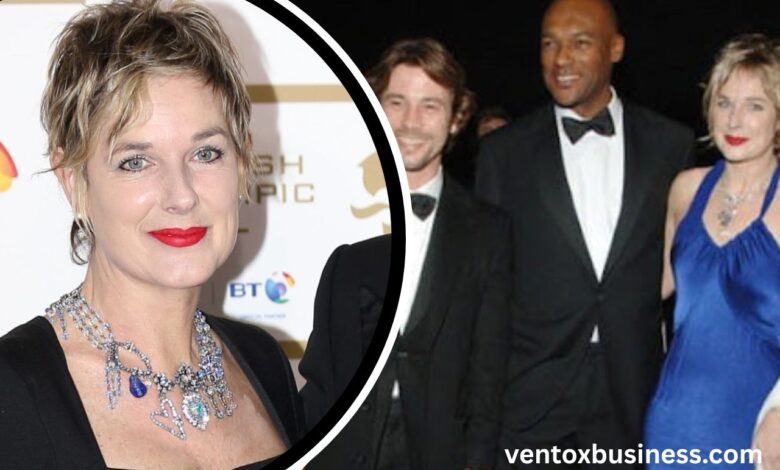
Fiona Hawthorne is married to British actor Colin Salmon, known for his roles in the James Bond franchise, Resident Evil, and Doctor Who. The couple has four children, and Hawthorne’s family life remains an important aspect of her identity and creative inspiration.
Hawthorne has also been open about her experiences with interstitial lung disease, sharing her journey with health challenges while maintaining an active artistic practice. Her advocacy and openness about her condition reflect her resilience and commitment to using her platform to inspire others.
Legacy and Influence
Fiona Hawthorne’s legacy lies in her multifaceted contributions to contemporary art, cultural documentation, and public engagement. Her work consistently emphasizes human connection, cultural celebration, and artistic innovation. From reportage sketches to large-scale public installations, digital art, portraiture, and publications, Hawthorne’s artistic vision bridges tradition and modernity, making her a vital figure in both the art world and broader cultural discourse.
Her influence extends to aspiring artists, community organizers, and cultural institutions seeking to integrate art, music, and public participation. By demonstrating how art can serve as a record of life, a tool for education, and a vehicle for cultural celebration, Hawthorne continues to inspire generations to explore creativity with honesty, joy, and inclusivity.
Conclusion: A Life in Motion and Color
Fiona Hawthorne remains an emblematic figure in contemporary art, celebrated for her ability to capture life’s energy, beauty, and complexity. Her work spans continents, media, and disciplines, reflecting a career dedicated to observation, creativity, and human connection. Whether through her reportage art, public installations, musical collaborations, or portraiture, Hawthorne’s contributions continue to leave a lasting imprint on the art world and on the communities she engages.
Her life and work exemplify the transformative power of art and the enduring importance of documenting culture, celebration, and human experience. Fiona Hawthorne’s legacy is not merely visual; it is a testament to the ability of art to connect, inspire, and elevate everyday life into extraordinary expression.